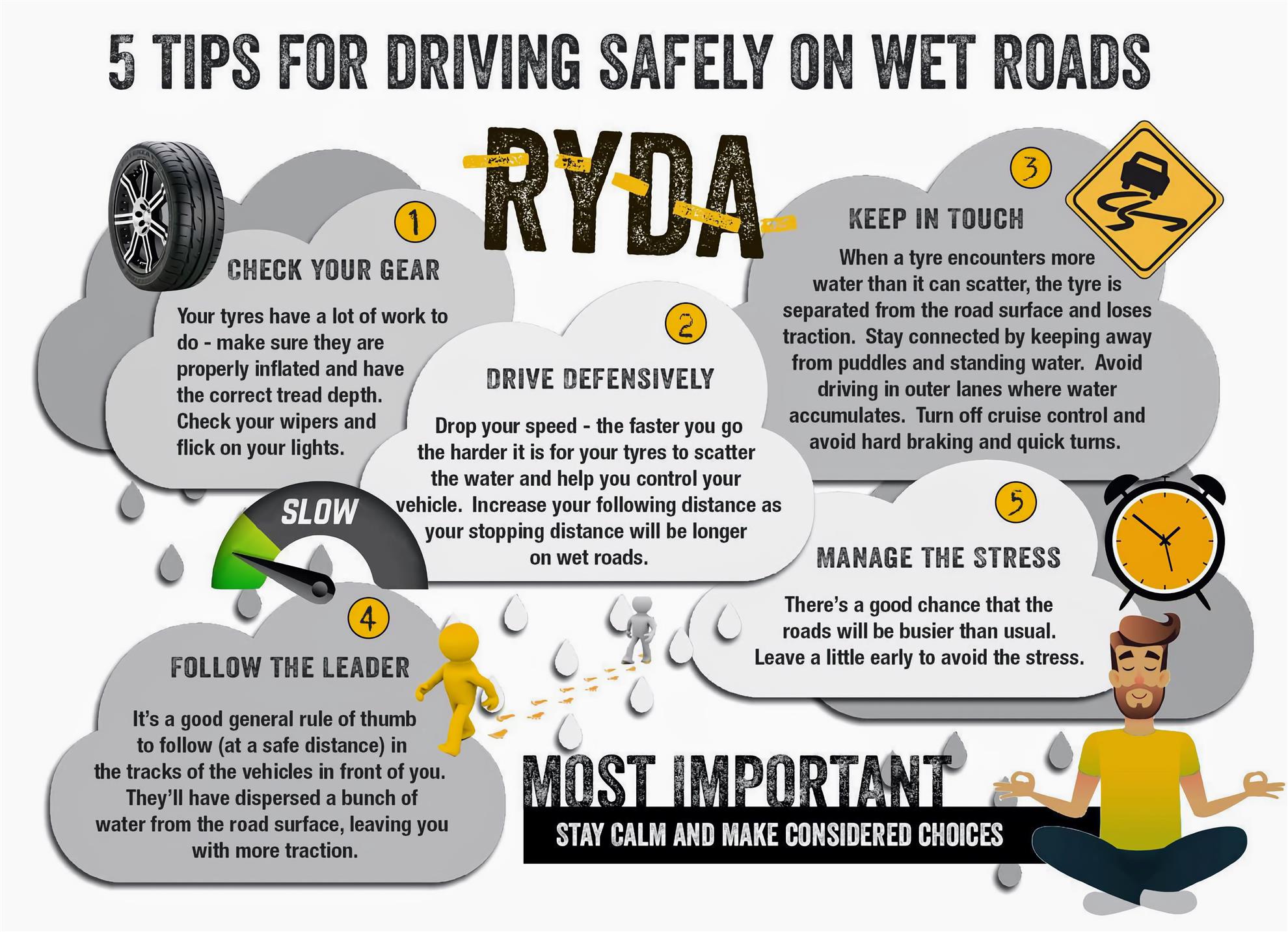
Sarah Parkinson, who has been in her role for nearly a year, presented to the Milson Rotary Club about the RYDA (Rotary Youth Driver Awareness) program and how the club can support its efforts in educating young drivers and passengers about road safety.
Background of RYDA
RYDA was established in 2001 following the tragic deaths of four teenage boys in a car accident. The program was introduced in New Zealand in 2006, with the first workshop held in 2007. Over the years, it has expanded nationwide, reaching nearly 15,500 students annually with the help of 400 volunteers from 55 Rotary clubs. Currently, RYDA reaches approximately 39% of Year 12 students.
Sarah emphasised the importance of proactive education, as young and inexperienced drivers are overrepresented in road fatalities. In 2023, 291 people lost their lives on New Zealand roads, with 35% of those fatalities aged between 15 and 25. Factors contributing to crashes include risk-taking behaviours, inexperience, distraction (e.g., mobile phones), overconfidence, and impaired judgment due to alcohol, drugs, or medication.
Supporting RYDA allows Milson Rotary to significantly impact youth road safety while strengthening community ties and contributing to a program with proven, lasting benefits.
RYDA’s Learning Model and Workshop Sessions
RYDA uses an interactive, whole-school approach to road safety education. Workshops held at locations like Central Trust Arena in Palmerston North include:
- Road Choices: Local police discuss the legal and financial consequences of unsafe driving.
- Crash Investigators: Students analyze a real-life crash with a survivor.
- Mind Matters: Focuses on emotional states and how they impact driving.
- Speed and Stopping: A live demonstration of speed’s impact on stopping distance.
- Drive SOS: Teaches students to consider other road users’ perspectives.
- I in Drive: Explores how personality affects driving behaviour.
RYDA also involves parents through the Drive Coach program, which guides teaching safe driving habits.
Impact and Effectiveness
Evaluations show that students significantly improve and retain their road safety knowledge. Surveys indicate that 78% of students apply at least one RYDA strategy three months after attending. Teachers also benefit, 84% increasing their road safety awareness and 99% finding the program worthwhile.
How Milson Rotary Club Can Help
Sarah invited the Milson Rotary Club to support RYDA in several ways:
- Financial Support: Donations to help cover student costs (approx. $69 per student).
- School Connections: Assisting in bringing on board schools not currently participating, such as Freyberg High School and Palmerston North Boys’ High School.
- Volunteering: Helping during workshop days, particularly as the program expands to three days in Palmerston North.
- Community Links: Identifying potential funding sources or grants to support local workshops.
Sarah emphasised that Rotary’s involvement is crucial in keeping RYDA affordable and accessible. She also highlighted ongoing discussions with Palmerston North Boys’ High School about integrating RYDA alongside their existing driver training programs.
The session concluded with an open discussion, where members shared insights and contacts that could help expand RYDA’s reach in the community.
Here are the main points for the club to consider when supporting the RYDA program:
- Proven Impact and Need:
- RYDA was founded after a tragic accident and has since reached over 15,500 students annually, targeting young drivers who statistically face higher risks on the road.
- Statistics show that a significant portion of road fatalities involve young people, emphasizing the program’s relevance and urgency.
- Comprehensive and Interactive Approach:
- The program uses hands-on workshops, including practical demonstrations, role-plays, interactive quizzes, and live demonstrations (e.g., speed vs. stopping distance) to engage students and build real-world safety skills.
- Sessions cover topics such as decision-making on the road, crash investigation, emotional management (mind matters), and the impact of distractions.
- Long-Term Benefits and Behavioral Change:
- Evaluations indicate that students retain safety knowledge over time, and many adopt safer driving behaviours after participating in the program.
- Teachers and parents also benefit from increasing their awareness and contributing to an overall culture of road safety.
- Cost-Effective and Community-Integrated Model:
- The program keeps costs low (approximately $69 per student) through partnerships and volunteer efforts, ensuring affordability and accessibility.
- Financial contributions and in-kind support from organizations like Rotary are essential to keeping the program accessible, particularly for lower socio-economic communities.
- Opportunities for Rotary Club Involvement:
- Financial Support: Rotary can provide flat donations per workshop or school to help cover costs.
- Volunteer Engagement: Members can volunteer on workshop days, easing the logistical demands of running multi-day events.
- School Connections: Rotary can help establish or expand relationships with schools not yet involved, particularly with groups like the Palmerston North Boys’ High School.
- Community and Resource Linkages: Rotary’s network can help identify additional community grants or partnerships that further support the program.
Overall, supporting RYDA offers Rotary an opportunity to significantly impact youth road safety while strengthening community ties and contributing to a program with proven, lasting benefits.