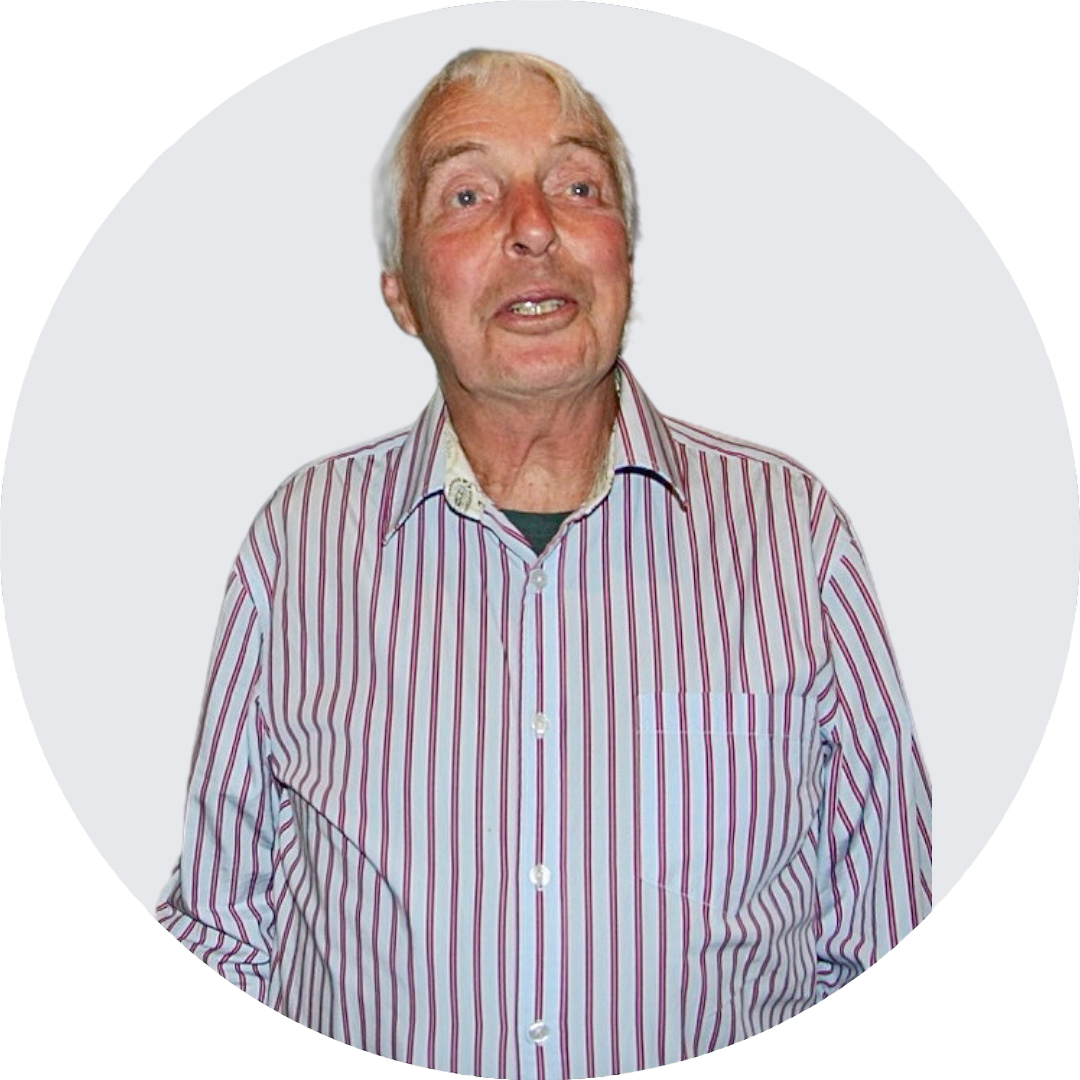
 Professor Ralph Sims, a distinguished researcher in energy studies and a Nobel Peace Prize co-recipient (2007), delivered a compelling presentation to our Rotary Club on the urgent challenges posed by climate change. Professor Sims’s expertise, developed since the 1970s at Massey University, focuses on innovative solutions to mitigate the effects of climate change.
During his address, Professor Sims underscored the stark per capita greenhouse gas emissions in New Zealand—16 tonnes per person annually, making us the sixth highest globally. He criticised the local perspective that New Zealand's smaller scale diminishes its responsibility in the global climate crisis. He highlighted the rising global emissions, especially from fossil fuels and the extensive food supply chain, and stressed the critical need for policy reforms, particularly reducing fossil fuel subsidies and revising agricultural practices.
Professor Sims expressed concerns regarding the feasibility of meeting the 1.5°C temperature increase limit set by the 2015 Paris Climate Agreement.
Professor Sims expressed concerns regarding the feasibility of meeting the 1.5°C temperature increase limit set by the 2015 Paris Climate Agreement. He noted that the current average temperature has already seen significant rises, hinting at potential severe global consequences. He praised New Zealand’s strides in renewable electricity but pointed out increasing emissions from the transport sector and the inadequacy of current measures to meet international commitments.
Additionally, Professor Sims critically examined the current government policies, lamenting the removal of electric vehicle (EV) incentives, increased speed limits, and a general disregard for decarbonizing industrial processes. He was particularly critical of the neglect towards advice from the Climate Change Commission and the changes affecting emissions trading and agricultural practices.
Concluding his talk, Professor Sims advocated for more decisive domestic actions to avoid severe economic and environmental repercussions. He proposed enhancements in renewable energy projects, improved public transportation, and dietary shifts towards less meat consumption as pivotal strategies to address climate change effectively.
Professor Sims’s message was clear: immediate and substantial action is necessary to safeguard the environment, and individuals, businesses, and governments share responsibilities to foster a sustainable future.
In Kenya, this traditional adage reflects a modern reality: herders are replacing cattle with milk-producing camels to adapt to climate change. (The Washington Post | 12 min read)